 | GET SURGERY NOW, PAY LATER |




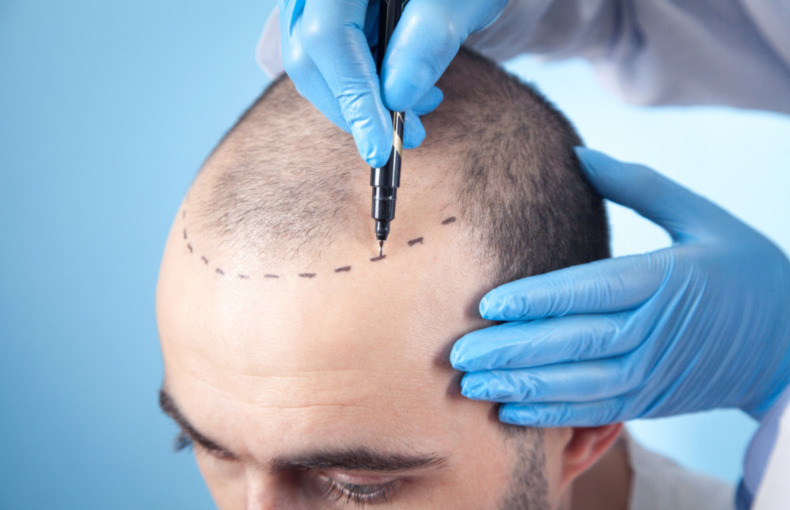
What Is the Best Age for a Hair Transplant?
Both men and women can lose hair for a variety of reasons, including poor nutrition, thyroid disease, hormonal fluctuations, genetics, and age. However, there is a significant age difference between when men and women begin to experience hair loss. The most common type of hair loss is the one that affects so many men in the prime of life. This male pattern baldness is also known as androgenetic alopecia.
Although the ancient Greek physicians made an initial attempt to explain what causes pattern baldness, it was not understood until 1949, when the anatomist James B. Hamilton demonstrated that male pattern baldness depends on the complex interaction of three factors: androgens, genetics, and age. Androgens are hormones whose main role is to induce and maintain male secondary sexual characteristics. The main androgen, testosterone, is produced in the testicles and adrenal glands of men and, in much smaller amounts, in the ovaries and adrenal glands of women.
The hairs in the frontal, temporal, and vertex regions of the scalp are particularly sensitive to testosterone. In contrast, the hairs on the back of the scalp and the sides of the head are not genetically predisposed to the influence of testosterone and, therefore, are not affected.
The substantial amount of up to four times more testosterone produced in the male body causes baldness to affect men at an earlier age than women.
So when younger people begin to experience hair thinning or notice some hair loss, they may wonder:
“How Young Is Too Young for a Hair Transplant?”:
Fortunately, there is no age limit. If you are interested in having a hair transplant, there is nothing stopping you. That said, there are some risks associated with hair transplants performed at a young age. Many people in their 20s jump straight into hair transplants because they want to look good. But if a young man is not careful, looking good today can have a negative effect on his adult life.
The problem with performing surgery on a patient under 25 years of age is that hair loss is a progressive condition. Therefore, a patient is likely to continue experiencing significant hair loss in the future. While it is understandable that young men come to us at such a vulnerable time in their lives, hair transplant surgery may not be suitable for them at that moment.
We should note that pattern baldness has a strong genetic influence. No ethnic group is protected. Of course, some ethnic groups will suffer more than others or vice versa, but no ethnic group experiences zero cases of pattern baldness. However, certain genetic differences between ethnic groups will result in different types of male pattern baldness. Therefore, there is no single type of male pattern baldness in the world.
For example, several studies on the subject show that, for men of Latin descent, hair loss tends to begin at the hairline and spread across the scalp. When it comes to men of Nordic descent, hair loss begins at the center of the hairline and then spreads across the scalp.
Male pattern baldness is a hair problem that affects more than half of men over the age of 50, although pattern baldness already begins to show signs of its genetic presence among men around their 30s and 40s.
It is already known that men are more affected by pattern baldness than women, but a common concern is whether different ethnic hair types have different levels of susceptibility to pattern baldness. The answer to this question is yes, racial differences actually affect the rates of occurrence of male pattern baldness. For example, among Asian men, Japanese men tend to lose more hair. In general, however, the highest rates of male pattern baldness are found among Caucasian men. The second highest rates belong to Afro-Caribbean men. Native Americans, on the other hand, do not struggle much with male pattern baldness.
This means that male pattern baldness actually runs in families. If your father or grandfather had problems with baldness at an earlier age, you have a greater chance of suffering from baldness than a man who has no bald men in his family. Especially if your maternal grandfather or your mother's brothers experienced baldness, the chances of you experiencing pattern baldness will be even greater.
When Is It Too Late for a Hair Transplant?
Generally, there are only 2 scenarios when it is too late for a hair transplant:
You do not have enough healthy follicles in your donor area.
This is sometimes seen if you have had previous unsuccessful hair transplant surgeries, or if hair loss has continued after a previous surgery. If a surgeon over-harvested from your donor area in the past, you may not have enough follicles left for another procedure.
If you are considering your first surgery, it is important that you ask your surgeon how many grafts you will need for your transplant. This will help you manage your donor area in case you opt for more surgeries in the future.
Your hair loss is too advanced.
If your hair loss is very advanced, it may not be possible to collect enough grafts from your donor area to cover the affected area.
Schedule Your Consultation with Our Clinic
That said, hair transplant surgery can be a viable option for someone in their 20s if the hair loss is particularly advanced. The only way to know which hair loss treatment is best for you is to schedule a comprehensive evaluation with a physician who specializes in hair loss, who can diagnose the cause and progression of your hair loss and work with you to develop the best treatment plan.
We hope we can help you.